
Carabin Shaw is one of the leading personal injury law firms in Texas. They have extensive experience in car accident cases, focusing on securing compensation for clients' medical bills, property damage, and pain and suffering.
Specialization: Personal injury, car accidents, wrongful death, 18-wheeler accidents.
Why choose them? Carabin Shaw offers a free initial consultation, and their team is known for fighting aggressively for their clients' rights.
Picture the aftermath of a car accident on a Texas highway: shattered glass glinting in the sun, twisted metal, and the air thick with tension and uncertainty. You might not realize it, but insurance companies immediately become key players that will significantly affect your recovery. They step in to assess claims, determine liability, and control compensation, all while navigating you through an often confusing and frustrating claims process designed to protect their profits. But what happens when disputes arise, or the coverage you thought you had falls short? What occurs when insurance companies offer settlements far below what you deserve? Understanding their true role and having experienced legal representation can make a significant difference in how you recover financially from the unexpected trauma of a serious car accident.
When it comes to understanding insurance policies after a Texas car accident, you need to know the key components that define your coverage and legal rights. First, familiarize yourself with the types of coverage required and available in Texas.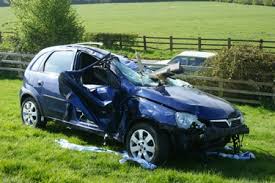
Texas law requires minimum liability coverage of $30,000 per person for bodily injury, $60,000 per accident for bodily injury, and $25,000 for property damage. Liability coverage protects you against damages you cause to others, but these minimums often prove inadequate for serious accidents. Many at-fault drivers carry only these minimums, leaving injury victims with insufficient compensation sources.
Collision coverage pays for your vehicle's damages in accidents regardless of fault. Comprehensive insurance handles non-collision incidents like theft, vandalism, hail damage, or flooding—common Texas weather risks. Uninsured/underinsured motorist coverage is critical in Texas, where many drivers operate without adequate insurance. This coverage protects you when hit by drivers lacking sufficient insurance to pay for your damages.
Pay careful attention to your policy limits—these dictate the maximum amount your insurer will pay for different claim types. It's vital to ensure your limits align with your needs and assets to avoid being underinsured if you cause serious accidents. Deductibles represent amounts you pay out-of-pocket before insurance coverage applies. Higher deductibles usually result in lower premiums, but ensure you can afford these expenses when filing claims.
Understanding these components empowers you to make informed decisions and recognize when insurance coverage—yours or the at-fault driver's—falls short of providing fair compensation for your injuries.
Navigating the claims process after a Texas car accident can feel overwhelming, but understanding the steps involved helps protect your rights.
First, gather all necessary information from the accident, including the police report, witness statements, photos of the scene, vehicle damage documentation, and medical records. This documentation is essential for supporting your claim. Next, file your claim with the appropriate insurance company—either your own insurer or the at-fault driver's insurance. You'll need to provide details about the accident, your policy information, and the damages incurred.
Once submitted, the insurer will review the claim to determine coverage and potential compensation. However, remember these critical points during the process: Report timeliness matters—file claims promptly to avoid coverage disputes. Document everything—maintain organized records of all communications, expenses, and submissions to ensure clarity and protect your rights. Be cautious with statements—insurance companies may use your words against you to minimize or deny claims. Before providing recorded statements to any insurance company, especially the at-fault driver's insurer, consult with an experienced attorney.
After filing your claim, insurance adjusters become central figures in determining how your situation unfolds. Understanding their role and motivations is crucial for protecting your interests.
These professionals are responsible for evaluating accident details, including damage extent and claim validity. They review police reports, medical records, and other relevant documentation to assess your case. You can expect adjusters to contact you for statements about the accident. Be aware that adjusters work for insurance companies—not for you—and their primary goal is protecting the insurer's financial interests by minimizing claim payouts.
Adjusters may visit accident scenes or inspect vehicles to gather evidence, but they often use this information to find reasons to reduce settlements. They play crucial roles in negotiating settlements, presenting their findings to insurance companies and working to reach agreements that typically favor the insurer over fair compensation for your losses. Be prepared and knowledgeable about your rights when dealing with adjusters. Their findings significantly influence the compensation you receive, making it crucial to have experienced legal representation to counter their tactics and ensure fair treatment.
Determining liability in Texas car accidents is essential for establishing who's responsible for damages. Texas follows a modified comparative negligence system, allowing you to recover damages if you're 50% or less at fault, with compensation reduced by your fault percentage.
Insurance companies gather evidence, assess situations, and determine fault—but their conclusions often favor their financial interests. Understanding this process significantly impacts your claims outcome and potential compensation. Key factors influencing liability determination include: Traffic law violations—running red lights, speeding, or other violations usually establish liability. Witness statements—eyewitness accounts provide crucial insights into accident circumstances, though insurance companies may discount favorable witness testimony. Police reports—official reports contain critical information clarifying fault, though they're not always definitive.
As you navigate accident aftermath, keep these factors in mind. They affect how insurance companies evaluate claims and ultimately decide liability. Being aware of these elements and having legal representation empowers you to present stronger cases, ensuring you receive the compensation you deserve rather than what insurance companies prefer to pay.
Understanding various insurance coverage types available helps you recognize what compensation sources exist after Texas car accidents and when coverage proves inadequate.
The most common type is liability coverage, which pays for damages to others when you're at fault. This includes bodily injury and property damage. However, when you're the victim and the at-fault driver carries only minimum Texas coverage, their policy limits may fall far short of covering your medical expenses, lost wages, and other damages from serious injuries.
Collision coverage helps pay for your own vehicle damage regardless of fault. Comprehensive coverage protects against non-collision incidents like theft, vandalism, hail, or flooding. Most importantly, uninsured/underinsured motorist coverage is essential in Texas. If you're hit by drivers lacking sufficient insurance, this coverage helps pay for your expenses—often providing your only compensation source when at-fault drivers can't pay for the harm they caused.
Understanding how insurance coverage and claims affect your premiums is important for making informed decisions about your financial future. When you file claims after accidents, premiums can increase, especially if you're deemed at fault. Key elements impacting premiums include coverage type choices, your driving record, and your location. Clean driving records keep premiums lower, while accidents or violations signal risk to insurers, prompting higher rates.
However, don't let fear of premium increases prevent you from filing legitimate claims or seeking full compensation you deserve. Insurance exists to protect you when accidents occur—you've paid premiums precisely for this protection. An experienced attorney can advise you on how to protect your rights while minimizing unnecessary impacts on your insurance rates.
When dealing with insurers after Texas car accidents, it's essential to protect your rights and interests.
Documentation is your best defense when dealing with insurance companies. The more thorough your records, the stronger your position during negotiations. Collect all relevant information immediately after incidents, including accident details, police reports, and witness contact information. Keep detailed accounts of injuries, treatment, and all expenses incurred. Key items to document include: photos of accident scenes, vehicle damage, and visible injuries; complete medical records including reports, treatment plans, and invoices; and communication logs recording all conversations with insurers, including dates, names, and discussion summaries.
Don't overlook the importance of understanding your insurance policy terms after accidents. Familiarize yourself with key terms like "deductible," "coverage limits," and "exclusions." Your deductible is what you pay out-of-pocket before insurance covers the rest. Coverage limits indicate maximum amounts insurers will pay—if expenses exceed these limits, you're responsible for differences. Exclusions are conditions or situations not covered by policies, potentially leaving you unexpectedly liable for costs.
Most importantly, consult with an experienced car accident attorney before accepting any settlement offers or providing detailed statements to insurance companies. Insurance companies have teams of adjusters, investigators, and lawyers working to minimize what they pay. You deserve equal representation protecting your interests. Attorneys experienced in Texas car accident cases know insurance company tactics and how to counter them, ensuring you receive fair compensation rather than inadequate settlements designed to save insurers money at your expense.
Insurance companies play powerful roles in Texas car accident cases, but their interests rarely align with yours. They work to minimize payouts, not to ensure you receive fair compensation for your injuries, medical expenses, lost wages, and suffering. Don't navigate this complex process alone or accept insurance company offers without experienced legal review.
Our attorneys at Carabin Shaw have extensive experience handling car accident cases and dealing with insurance companies throughout Texas. We know their tactics, understand their strategies, and fight to protect your rights. We handle all communications with insurers, investigate claims thoroughly, gather evidence proving full damages, and negotiate aggressively for maximum compensation. If insurance companies refuse fair settlements, we're prepared to take cases to trial to secure the justice you deserve.
If you've been injured in a car accident anywhere in Texas, contact Carabin Shaw at 1-800-862-1260 for a free consultation before speaking with insurance adjusters or accepting any settlement offers. We serve clients throughout Texas and work on contingency—you pay nothing unless we win your case. Call today to protect your rights against insurance companies and pursue the full compensation you deserve for your injuries and losses.